Why Your Homemade Soup Is Bland (And The Flavor Secrets That Changed Everything For Me)
Every home cook has been there. You spend an hour chopping, simmering, and stirring, only to ladle out a bowl of soup that, while warm and comforting, tastes… flat. It’s not bad, exactly, but it lacks that elusive ‘oomph’ you find in restaurant versions or even your grandmother’s recipe. I struggled with this for years, wondering why my seemingly well-prepared soups never quite sang. I’d follow recipes to the letter, use fresh ingredients, and still end up with a broth that tasted like ‘hot water with stuff in it.’ This culinary frustration often led me to abandon soup-making altogether, resorting to canned options or takeout. But the truth is, a truly flavorful homemade soup is not about secret ingredients; it’s about understanding the foundational elements of flavor building that most home cooks, myself included, often overlook.
Key Takeaways
- Layer aromatics by sautéing deeply and building a fond for complex flavor.
- Use high-quality, long-simmered stock as the backbone, not just water or quick broth.
- Incorporate acidic elements like vinegar or lemon juice at the end to brighten and balance.
- Finish with fresh herbs, good quality fat, and a touch of heat to elevate the entire dish.
The Fatal Flaw: Under-Caramelized Aromatics
The most common mistake I see (and made myself for too long) is not properly developing the base flavors. When a recipe says ‘sauté onions until softened,’ most people stop there. But ‘softened’ is just the beginning. The true magic happens when your onions, carrots, and celery – the holy trinity of mirepoix – are deeply caramelized. This isn’t just about cooking them through; it’s about transforming their sugars into rich, savory compounds.
I used to rush this step, thinking a few minutes were enough. My breakthrough came when I started dedicating 10-15 minutes, sometimes even 20, to patiently sautéing these aromatics over medium-low heat. The goal isn’t just translucence; it’s a golden-brown hue, almost a sticky residue, forming at the bottom of the pot – what chefs call a fond. This fond is pure flavor gold. Deglazing the pot with a splash of wine or stock (after the aromatics are perfectly browned) scrapes up all those delicious bits, integrating them into the soup base. This single technique alone transformed my soups from ‘meh’ to ‘marvelous.’ It adds a depth and sweetness you simply cannot achieve by merely softening vegetables.
For example, when making a lentil soup, I once just threw chopped onions into a hot pot with lentils. It was fine. Now, I spend a good 12 minutes caramelizing those onions until they’re almost jammy and a deep brown, then deglaze with a bit of red wine. The resulting soup has a profound sweetness and complexity that contrasts beautifully with the earthy lentils, completely changing the experience.
The Stock Shortcoming: Not All Broths Are Created Equal
Many recipes call for ‘vegetable broth’ or ‘chicken stock,’ leading people to grab a carton from the supermarket shelf. While convenient, these often lack the richness and body that truly define a great soup. In my experience, relying solely on store-bought broth is like trying to build a house with flimsy foundations. It simply won’t stand up.
The real secret to a deeply flavorful soup is using a high-quality, long-simmered stock. A homemade bone broth, for instance, isn’t just about health benefits; it’s about extracting gelatin, collagen, and myriad flavor compounds that give soup its viscosity and mouthfeel. If making your own stock isn’t feasible every time, seek out premium brands that list actual bones or vegetables as the primary ingredients, not just ‘natural flavors’ and excessive sodium. Look for options that are low-sodium, allowing you to control the seasoning.
I began making a large batch of chicken stock every few months – roasting chicken bones, simmering them with aromatics for 4-6 hours, and freezing it in smaller containers. The difference is night and day. My chicken noodle soup went from tasting like salty water with chicken to a deeply savory, nourishing elixir. If I’m using store-bought, I make sure to reduce it by half before adding other ingredients. This concentrates the existing flavor, making it far more impactful than using it straight from the carton. It’s a simple step that doubles the flavor potential.
The Missing Link: Acidity, Fat, and Freshness
Once you’ve built a robust base, the final touches are what truly awaken the palate. Most bland soups suffer from a lack of balance. They might be salty enough, but they’re one-dimensional. This is where three crucial elements come in: acidity, good quality fat, and freshness.
Acidity is a flavor brightener. A squeeze of lemon juice, a splash of red wine vinegar, or even a dash of balsamic vinegar at the very end of cooking can lift the entire soup, making all the other flavors pop. It’s like turning up the volume. Think about tomato soup: the acidity of the tomatoes is key. For cream-based soups, a little acid prevents them from feeling too heavy.
Good quality fat, added just before serving, can carry flavors and add a luxurious mouthfeel. A swirl of extra virgin olive oil, a dollop of crème fraîche, or a pat of butter can transform a good soup into a great one. This isn’t about cooking with fat, but finishing with it.
Finally, freshness is non-negotiable. Dried herbs have their place in long simmers, but fresh herbs – chopped parsley, cilantro, dill, or chives – added just before serving or as a garnish provide a vibrant aroma and burst of flavor that cooked herbs simply can’t. A sprinkle of freshly ground black pepper, a pinch of red pepper flakes for heat, or a grating of Parmesan cheese also add layers of complexity that counter blandness.
I once made a robust beef stew that was, admittedly, a bit heavy. A friend suggested adding a tablespoon of apple cider vinegar at the end. It cut through the richness beautifully and brightened every other flavor. Now, I always have lemons, various vinegars, and fresh herbs on hand specifically for this finishing touch. It’s often the difference between a forgotten meal and one that lingers in your memory.
Overlooking the Power of Umami and Pungency
Another common blind spot in home soup-making is neglecting the deep, savory notes of umami and the sharp kick of pungency. Many bland soups are simply missing these fundamental flavor boosters. While properly browned aromatics contribute, there are other ingredients that supercharge your soup’s depth.
Umami sources like tomato paste, mushrooms, Parmesan rinds, soy sauce, or even a tiny splash of fish sauce (don’t worry, you won’t taste fish, just depth!) can make an incredible difference. When I begin a soup, after sautéing my aromatics, I often add a tablespoon or two of tomato paste and cook it down for a few minutes until it darkens. This process deepens its flavor and eliminates any raw taste, infusing the entire soup with a rich, savory backbone. Throwing in a dried mushroom or a Parmesan rind to simmer with the stock can also add an astounding level of complexity that you didn’t know was missing.
Pungency, on the other hand, comes from ingredients like garlic, ginger, chilies, or even a pinch of mustard powder. These aren’t just about heat; they add a sharpness that prevents flavors from melding into an indistinguishable bland mass. While garlic and ginger are typically cooked with the aromatics, don’t be afraid to experiment with adding a very small amount of freshly grated ginger or a finely minced raw garlic clove to individual bowls of soup just before serving, especially in Asian-inspired broths. The raw, sharp edge can provide an exciting contrast to the cooked flavors.
My minestrone, which used to be merely ‘vegetable soup,’ gained incredible depth when I started cooking down tomato paste with my mirepoix and adding a Parmesan rind to the simmer. It tasted less like isolated vegetables and more like a cohesive, rich Italian soup. Similarly, a bland chicken and rice soup became vibrant with a tiny dash of soy sauce and a few drops of hot sauce stirred in at the end. These small additions are game-changers.
Ignoring the Interplay of Textures
Beyond flavor, texture plays a huge role in how we perceive a dish, and a monotonous texture can contribute to a feeling of blandness. Many homemade soups fall into the trap of being uniformly soft or mushy, lacking the varied mouthfeel that makes a dish exciting.
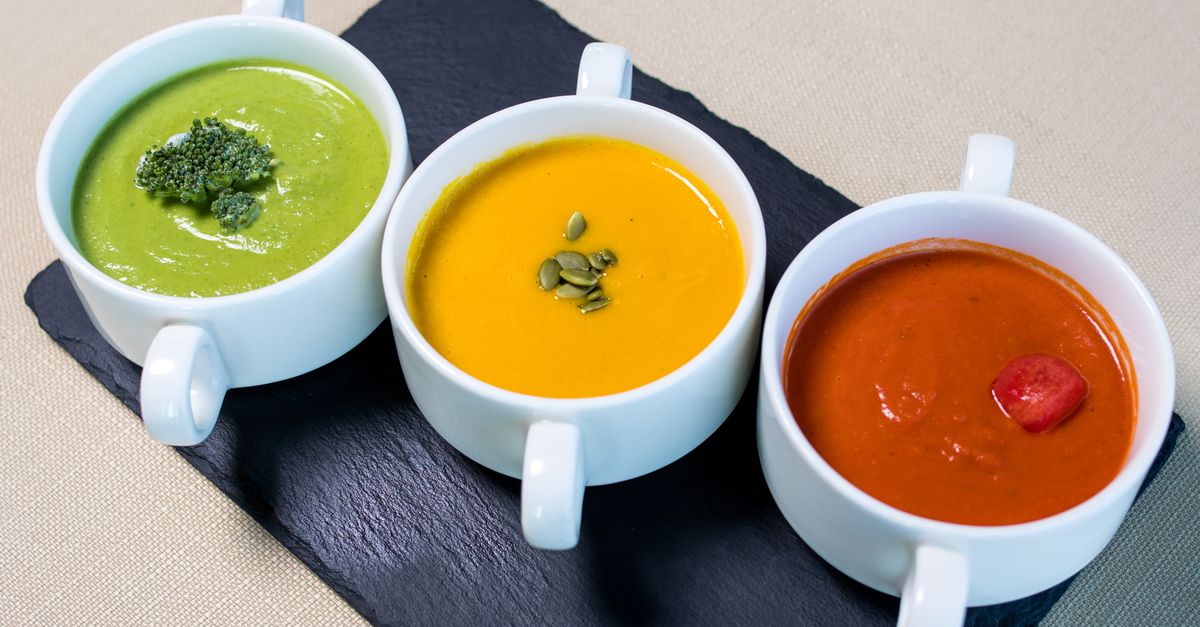
Think about restaurant soups. They often have elements that are creamy, chewy, crunchy, or tender. This textural variety keeps each spoonful interesting. For example, a puréed squash soup can be elevated by adding toasted pepitas for crunch, a swirl of thick yogurt for creaminess, or small, firm croutons. A vegetable soup benefits from some vegetables being intentionally left slightly al dente rather than cooked to oblivion. Consider adding different components at different stages of cooking to achieve this.
I used to throw all my vegetables into my chicken noodle soup at the same time. The carrots and celery would be mush, and the noodles would be overcooked. Now, I add heartier vegetables like carrots and potatoes earlier, but softer ones like peas, zucchini, or spinach only in the last 5-10 minutes. Noodles go in last, just until al dente. This ensures each component retains its integrity and provides a satisfying bite. Another trick is to hold back a portion of your cooked vegetables, especially if they are colorful and firm, and stir them in at the very end. This maintains their vibrant color and texture, making the soup more appealing and less homogenous.
This simple consideration of texture transforms the entire soup experience. It’s not just about what you taste, but what you feel with each spoonful, adding another layer of sophistication to your homemade creations.
Frequently Asked Questions
Q: My soup still tastes watery. What’s the fastest way to fix it without starting over?
A: The quickest fix for watery soup is to simmer it longer with the lid off. This allows excess water to evaporate, concentrating the existing flavors. If you’re short on time, you can also thicken it slightly with a cornstarch slurry (1 tbsp cornstarch mixed with 2 tbsp cold water, stirred into simmering soup until thickened) or by blending a small portion of the soup itself and stirring it back in. Adding a tablespoon of tomato paste, a dash of soy sauce, or a Parmesan rind to simmer for 15-20 minutes can also boost depth quickly.
Q: Should I season my soup throughout the cooking process or only at the end?
A: You should season in layers. Add a pinch of salt and pepper when sautéing aromatics, another sprinkle when adding vegetables, and more when the liquid goes in. This builds flavor from the beginning. However, always do a final taste test and adjust seasoning (salt, pepper, acid, heat) right before serving, as flavors can change and concentrate during simmering.
Q: What’s the difference between broth and stock, and does it really matter for my soup?
A: Stock is typically made from bones and connective tissue, simmered for a long time, resulting in a richer flavor, more gelatin (which gives body), and a deeper mouthfeel. Broth is usually made from meat and/or vegetables, simmered for less time, and is lighter. Yes, it absolutely matters! Using a good quality stock provides a much more robust and satisfying base for your soup. If using broth, consider reducing it first to concentrate its flavor.
Q: How can I make my vegetarian soups as flavorful as meat-based ones?
A: Focus heavily on deeply caramelizing your aromatics and building a good fond. Use umami-rich vegetarian ingredients like roasted mushrooms, sun-dried tomatoes, miso paste, nutritional yeast, or a splash of soy sauce (or tamari). Smoked paprika or liquid smoke can add a ‘meaty’ depth. Also, consider making your own vegetable stock with roasted vegetables for a richer base than standard vegetable broth.
Q: My cream-based soups often feel too heavy. How can I lighten them up without losing flavor?
A: To lighten cream-based soups, incorporate an acidic element like a squeeze of lemon juice or a splash of white wine or apple cider vinegar at the end. This brightens the flavor and cuts through the richness. You can also use a combination of milk or half-and-half instead of heavy cream, or stir in a dollop of Greek yogurt or crème fraîche just before serving for a creamy texture without excessive heaviness.
Making soup that truly sings isn’t about grand gestures or exotic ingredients; it’s about meticulous attention to the fundamentals. From patiently caramelizing your aromatics to selecting the right stock and adding those final brightening touches of acidity and freshness, each step contributes to a symphony of flavors. My own journey from bland batches to bold bowls of soup has taught me that cooking is a cumulative art – every intentional choice layers on complexity. Don’t be afraid to experiment, taste as you go, and trust your palate. The next time you embark on a soup-making adventure, remember these secrets, and you’ll find yourself serving up a masterpiece, one delicious spoonful at a time.
Written by Emily Chen
Well-being & Relationships
A community advocate who understands the nuances of balancing personal goals with social connections and responsibilities.
You Might Also Like

Why Your Homemade Pizza Lacks That Perfect Crisp (And The Pro Secrets That Deliver Pizzeria-Quality Crunch Every Time)
Unlock the secrets to truly crispy homemade pizza crust. Stop soggy bottoms and learn what works for pizzeria-quality crunch.

Why Your Homemade Pizza Isn't Crispy (And The Pro Secrets That Deliver Pizzeria-Quality Crunch Every Time)
Stop soggy pizza! Discover why homemade crusts lack crispness and learn the pro secrets for pizzeria-quality crunch every time.
Why Your Homemade Pizza Lacks That Perfect Crisp (And The Simple Pro-Secrets That Deliver Pizzeria-Quality Crunch Every Time)
Ever wonder why your homemade pizza crust isn't perfectly crispy? Discover the common mistakes and pro-secrets for pizzeria-quality crunch.