
Why Your Homemade Smoothies Are Bland (And The Flavor Secrets That Changed Everything For Me)
You’ve seen the vibrant, perfectly blended smoothies on social media – glowing with health, bursting with flavor. You try to replicate it at home: throw in some fruit, a handful of spinach, a scoop of protein, and some liquid. The result? A muddy, vaguely sweet, often watery concoction that tastes… fine. But not amazing. Not the kind of amazing that makes you excited to drink it every day. I’ve been there, staring into my blender with a mix of hope and resignation, wondering why my attempts always fell flat. It took years of experimentation, a lot of wasted produce, and a deep dive into the art of flavor balancing to realize that the problem wasn’t my ingredients, but my approach.
Most people, myself included for a long time, think a smoothie is just a dump-and-blend affair. We focus on nutrition – more greens, more protein, less sugar – and forget that taste is king if we want to stick to a healthy habit. The secret to a truly delicious smoothie isn’t just about what you put in, but how you balance the core elements of flavor: sweet, sour, salty, bitter, and umami. Neglect this balance, and you’re left with blandness, no matter how many superfoods you add.
Key Takeaways
- Achieve balanced flavor by consciously adding components for sweetness, acidity, salt, and sometimes warmth.
- Utilize frozen fruit as your primary liquid to create a creamy, cold texture without diluting flavor.
- Incorporate unexpected ingredients like fresh herbs, spices, or a pinch of salt to elevate taste complexity.
- Blend in stages to ensure all ingredients are fully incorporated and the texture is perfectly smooth.
The Overlooked Power of Flavor Balance (Beyond Just Sweetness)
The biggest mistake I see, and one I made for years, is focusing solely on sweetness. We add a banana, maybe some dates, and call it a day. But a truly great smoothie, like any good dish, needs balance. Think about a classic cocktail or a complex sauce – they play with opposing flavors to create something harmonious. Your smoothie needs the same respect.
For example, my early smoothies were often overwhelmingly sweet or just tasted like frozen spinach. What changed everything for me was realizing the power of acidity. A squeeze of fresh lemon or lime juice, a handful of tart berries, or even a splash of apple cider vinegar (in small amounts!) can cut through sweetness, brighten the other flavors, and make the whole drink feel much more dynamic. I found that even a super green smoothie, loaded with kale, tasted so much better with a generous squeeze of lemon. It wasn’t about masking the green flavor, but enhancing the fresh notes and preventing that dull, earthy taste.
Furthermore, a tiny pinch of salt – yes, salt in a fruit smoothie! – can dramatically enhance all the other flavors without making the smoothie taste salty. It’s the same principle a baker uses when adding salt to cookies or a chef uses to season a sauce. Just a small dash, often a quarter teaspoon for a large smoothie, deepens the fruit flavors and makes them pop. It’s a non-obvious hack that elevates a good smoothie to a great one. The mistake I see most often is treating a smoothie like a basic fruit juice, when it’s actually a complex culinary creation waiting to happen.
Frozen Fruit as Your Liquid Base: The Creaminess Game-Changer
For a long time, I used water, milk, or juice as the primary liquid in my smoothies. The result was always either thin and watery, or overly diluted in flavor. It wasn’t until I started treating frozen fruit as the primary liquid that my smoothies transformed from ‘okay’ to ‘restaurant quality.’
When you use frozen fruit – think frozen bananas, berries, mango, or pineapple chunks – you achieve two critical things: incredible creaminess and intense, undiluted flavor. The ice crystals from the frozen fruit break down into a thick, luxurious texture that no amount of liquid-based blending can replicate. Plus, because you’re not adding extra liquid, the inherent flavors of your fruits and vegetables are more concentrated. A frozen banana, for instance, provides natural sweetness, a thick texture, and a creamy base that works well with almost any other ingredient.
My routine now involves chopping and freezing ripe bananas, buying large bags of mixed frozen berries, and keeping frozen mango on hand. When I blend, I’ll typically use 1-1.5 cups of frozen fruit as the bulk, and then just enough liquid (usually unsweetened almond milk or coconut water) to get the blades moving. This ensures a thick, spoonable smoothie that’s packed with flavor, not watered down. The mistake I see most often is reaching for ice cubes to chill a smoothie; ice dilutes the flavor, while frozen fruit enhances it.
The Unsung Heroes: Spices, Herbs, and Unexpected Add-ins
Beyond the basic fruit and protein, the true magic of a memorable smoothie lies in the unexpected. This is where you introduce complexity and depth that most people overlook. For me, this was a game-changer. I used to think of smoothies as purely ‘healthy’ vehicles, not as culinary creations that could benefit from the same thoughtful seasoning as a dinner dish.
Spices are a simple entry point. A dash of cinnamon in a banana-oat smoothie adds warmth and a subtle sweetness. Cardamom pairs beautifully with mango or pineapple, giving an exotic, aromatic lift. A tiny pinch of cayenne pepper with chocolate or berry smoothies can add a surprising, invigorating kick without making it spicy. I once added a small amount of freshly grated ginger to a tropical fruit smoothie, and it completely brightened the flavor profile, making it feel incredibly fresh and vibrant.
Fresh herbs are another secret weapon. Mint is a classic pairing with berries or chocolate, offering a refreshing counterpoint. A few basil leaves with strawberry or peach creates an unexpectedly sophisticated flavor. Even a small sprig of rosemary with pear or apple can add an earthy, complex note that transforms the drink. These aren’t meant to overpower, but to add subtle layers of flavor that make people wonder, “What is that deliciousness?” The mistake I see most often is limiting your imagination to typical smoothie ingredients; the produce aisle is your playground.
Strategic Blending: Order Matters for Optimal Texture
It might seem trivial, but the order in which you add ingredients to your blender, and how you blend them, makes a significant difference in the final texture and taste distribution. For years, I just threw everything in, hit ‘pulse,’ and ended up with chunks of spinach or unblended protein powder.
My process, which I’ve refined over time, changed everything. Start with your liquids first – that’s your non-dairy milk, water, or juice. This creates a vortex at the bottom of the blender, helping to pull down the other ingredients. Next, add soft ingredients like fresh spinach, kale, or protein powder. These blend down easily with the liquid base. Then, introduce your tougher, frozen ingredients last. The weight of the frozen fruit pushes down on the liquid and softer ingredients, facilitating a smoother blend.
Furthermore, don’t just blend on high from the start. I’ve found that starting on a lower speed, then slowly increasing to high, and then letting it run for a full 60-90 seconds (or until truly smooth) yields the best results. If you have a high-powered blender, you might need less time, but even then, a slightly longer blend ensures all the fiber is completely pulverized, resulting in that silky-smooth texture we all crave. The mistake I see most often is impatience; a few extra seconds of blending can prevent a gritty, uneven smoothie.
Beyond Sweeteners: Cultivating Natural Sweetness and Depth
While a touch of natural sweetness is essential, relying solely on added sugars (even natural ones like maple syrup or honey) can make a smoothie one-dimensional. What truly changed my perspective was learning to lean into and enhance the natural sweetness of fruits and vegetables, rather than just adding more sugar.
For example, instead of just a fresh banana, use a frozen ripe banana. The freezing process enhances its sweetness, making it taste almost like ice cream. Similarly, choosing very ripe fruits – berries, mangoes, peaches – ensures maximum natural sugar content. Dates are a classic choice for a reason; their caramel-like sweetness is potent, but use them judiciously. A Medjool date or two goes a long way. But don’t just add dates for sweetness; blend them with a touch of vanilla extract to deepen that rich, sweet flavor.
Another trick I learned is the power of vanilla extract or almond extract. Just a quarter teaspoon can elevate the perceived sweetness and add a comforting, dessert-like quality without any added sugar. For chocolate smoothies, a tiny amount of unsweetened cocoa powder, paradoxically, can deepen the chocolate flavor and make it feel richer and more satisfying, reducing the need for excessive added sweeteners. The key is to think about layers of sweetness and flavor, not just a single, blunt hit of sugar. This approach transforms a bland, ‘healthy’ drink into a genuinely enjoyable treat that you’ll look forward to.
Frequently Asked Questions
Q: My smoothie always comes out too thick or too thin. How do I get the perfect consistency?
A: The key is a delicate balance of frozen ingredients to liquid. Start with a solid base of 1 to 1.5 cups of frozen fruit. Then, add liquid (like almond milk or water) incrementally, starting with about 1/2 cup for a small smoothie, and blend. Add another tablespoon or two of liquid at a time until you reach your desired thickness. For thicker smoothies, add more frozen fruit; for thinner, more liquid. Avoiding ice helps maintain flavor concentration.
Q: Can I hide vegetables like kale or spinach in my smoothie without tasting them?
A: Yes, absolutely! The trick is to pair them with strong, naturally sweet fruits and balancing agents. A frozen banana is excellent for masking flavors. Pineapple, mango, and berries (especially raspberries) also have robust flavors. Most importantly, add a squeeze of fresh lemon or lime juice and a tiny pinch of salt. These acidic and savory elements brighten the overall flavor, allowing the fruit to shine and making the greens almost imperceptible.
Q: What’s the best way to add protein powder without it tasting chalky or altering the flavor negatively?
A: Add protein powder after your liquids and softer greens, but before your frozen fruits. This allows it to mix well with the liquid before the frozen ingredients create a thick blend. Using a high-quality, unflavored or subtly flavored protein powder is crucial. If using a flavored powder, ensure its flavor complements your fruit choices (e.g., vanilla protein with berries, chocolate with banana). A small amount of vanilla extract can also help integrate the protein flavor.
Q: My smoothie separates quickly. How can I prevent this?
A: Separation often occurs due to insufficient blending or too much liquid, especially if you’re using ingredients that don’t emulsify well. Ensure you’re blending thoroughly until absolutely smooth. Using ingredients like frozen banana, avocado, or a spoonful of nut butter can help create a more stable emulsion due to their fat and fiber content. You can also try adding a tiny pinch of xanthan gum (start with 1/8 teaspoon) for an extra stable, creamy texture.
Q: How can I make my smoothies colder without diluting them with ice?
A: The best way is to use primarily frozen fruit as your base. Keep a stash of pre-chopped frozen bananas, berries, mango, and other fruits in your freezer. You can also freeze your liquid (like almond milk or coconut water) in an ice cube tray and add those cubes to your blender for extra chill without diluting the flavor. This creates a much thicker, creamier, and colder smoothie than using water-based ice.
Conclusion
Turning a bland smoothie into a delightful, flavor-packed experience isn’t about magical ingredients; it’s about understanding and applying a few core principles of flavor and texture. By embracing acidity and a hint of salt, prioritizing frozen fruit for creaminess, experimenting with herbs and spices, and blending strategically, you can elevate your daily smoothie from a chore to a truly anticipated treat. Stop settling for ‘fine’ and start creating smoothies that nourish your body and excite your taste buds. Experiment, taste, and find your perfect balance – your blender and your palate will thank you.
Written by Emily Chen
Well-being & Relationships
A community advocate who understands the nuances of balancing personal goals with social connections and responsibilities.
You Might Also Like

Why Your Homemade Pizza Lacks That Perfect Crisp (And The Pro Secrets That Deliver Pizzeria-Quality Crunch Every Time)
Unlock the secrets to truly crispy homemade pizza crust. Stop soggy bottoms and learn what works for pizzeria-quality crunch.
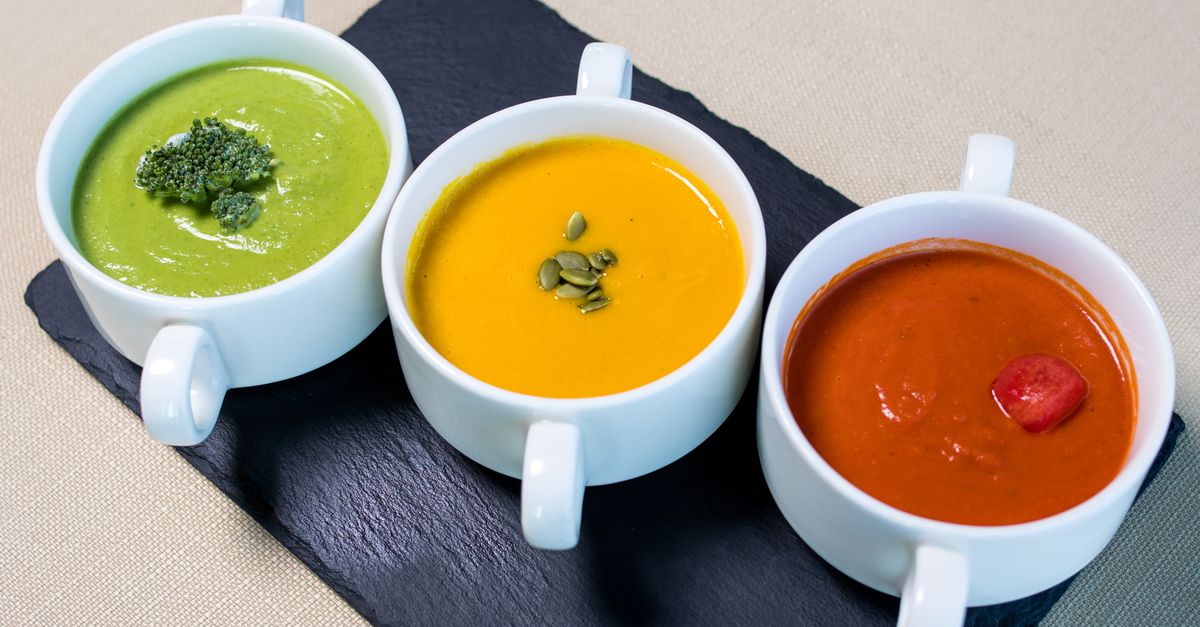
Why Your Homemade Soup Is Bland (And The Flavor Secrets That Changed Everything For Me)
Discover the overlooked reasons your homemade soup lacks flavor and the simple, impactful techniques that transform it into a culinary masterpiece.
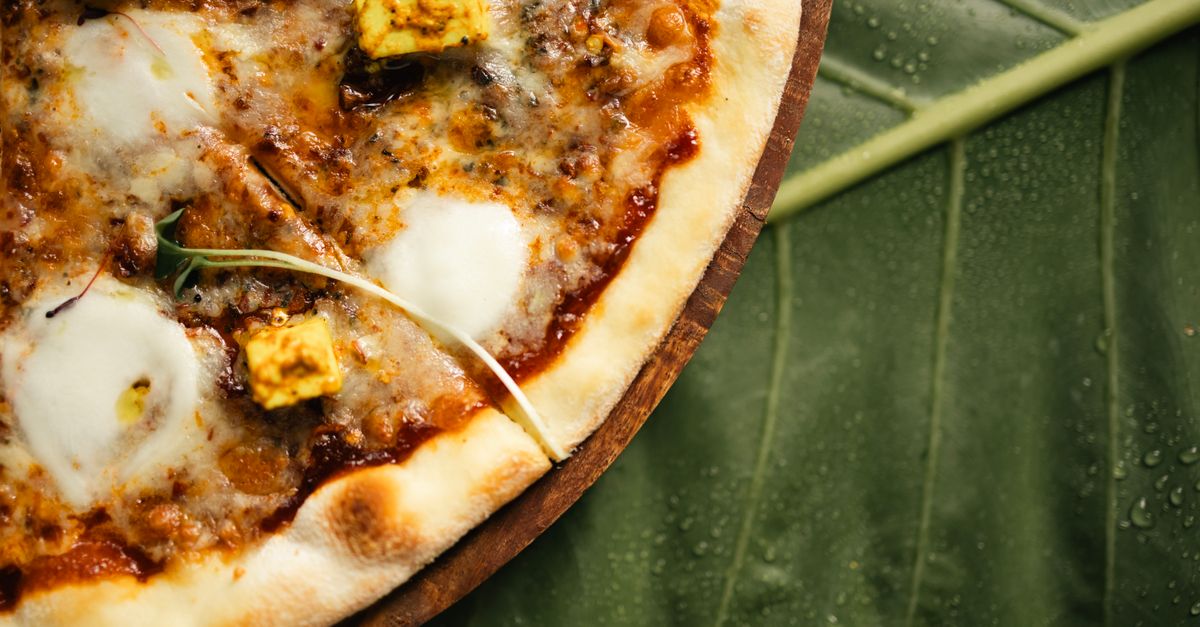
Why Your Homemade Pizza Isn't Crispy (And The Pro Secrets That Deliver Pizzeria-Quality Crunch Every Time)
Stop soggy pizza! Discover why homemade crusts lack crispness and learn the pro secrets for pizzeria-quality crunch every time.