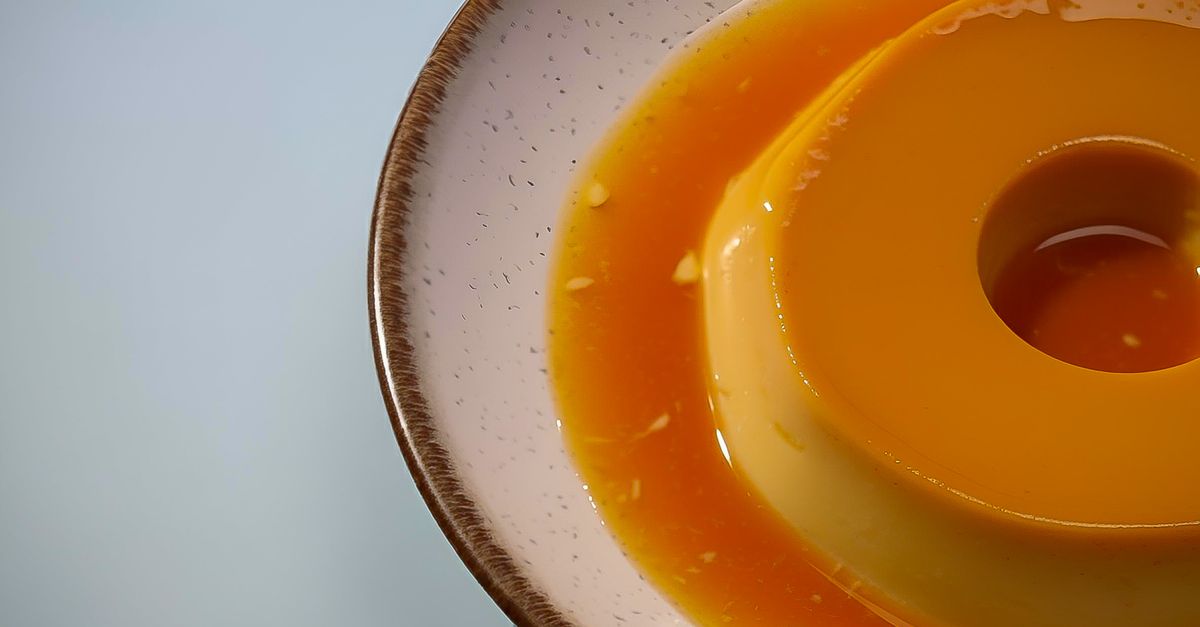
Why Your Homemade Sauces Separate (And The Pro Secrets for Silky Perfection Every Time)
You’ve spent time carefully chopping, simmering, and stirring, only to watch your beautiful homemade sauce suddenly curdle, split, or turn into an oily mess. It’s a frustrating kitchen moment, whether it’s a hollandaise breaking, a béchamel clumping, or a vinaigrette refusing to emulsify. In my experience, most home cooks encounter this challenge frequently, often attributing it to bad luck or a faulty recipe. But the truth is, sauce separation usually boils down to a few fundamental, often overlooked, principles of chemistry and technique. It’s not about being a professional chef; it’s about understanding the ‘why’ behind the ‘how.’
I’ve been there countless times, scraping a broken pan sauce into the bin, feeling defeated. What changed everything for me was realizing that many common ‘fixes’ are actually band-aid solutions. The real game-changer is preventing separation in the first place, by mastering temperature control, proper emulsification techniques, and understanding the role of each ingredient. Once you grasp these pro secrets, you’ll consistently achieve restaurant-quality sauces that hold together beautifully, enhancing every dish.
Key Takeaways
- Temperature control is paramount: rapidly changing temperatures shock delicate emulsions and cause separation.
- Introduce fats slowly and steadily while whisking vigorously to build a stable emulsion.
- Avoid overcrowding your pan and ensure ingredients are at room temperature to prevent temperature drops.
- Stabilize tricky sauces with small additions of starch or lecithin-rich ingredients like mustard or egg yolk.
The Temperature Trauma: Why Sudden Shifts Are Your Enemy
One of the most common culprits behind sauce separation is rapid temperature change. Think about a classic hollandaise sauce: it’s an emulsion of egg yolks, butter, and an acidic liquid. If you add hot butter too quickly to cold egg yolks, or if the double boiler gets too hot, the eggs scramble, and the sauce breaks. This isn’t unique to hollandaise; it applies to many delicate sauces.
In my own kitchen, I learned this the hard way with a béchamel that suddenly went lumpy. I had added cold milk straight from the fridge to a hot roux, creating an immediate thermal shock. The starch seized up, and no amount of whisking could fully recover its smooth texture. What I discovered is that gradual temperature equalization is key. For instance, when making béchamel, I now always warm my milk gently in a separate saucepan before gradually whisking it into the roux. This slow, steady addition allows the starch granules to absorb the liquid evenly without clumping. For egg-based sauces, ensure your eggs are at room temperature, and when adding hot liquids or fats, do so in a very thin, steady stream, whisking constantly to allow for gradual integration. If a sauce is meant to be served warm, keep it over a very gentle heat, or off the heat entirely, re-warming just before serving.
The Emulsification Enigma: Mastering the Fat-Liquid Dance
Many of our favorite sauces, from vinaigrettes to mayonnaise, are emulsions – a stable mixture of two immiscible liquids, typically oil and water. The challenge arises when these liquids refuse to stay mixed. The mistake I see most often is adding the fat (usually oil or melted butter) too quickly. Imagine trying to integrate a large, stubborn chunk into a delicate liquid – it’s almost impossible without it overwhelming the other ingredients.
What changed everything for me was understanding the power of slow, steady fat addition with continuous, vigorous whisking. When making mayonnaise, for example, I start with just a few drops of oil, whisking until it’s fully incorporated and the mixture thickens slightly. Only then do I add more oil in a very thin stream, almost drip by drip, continuing to whisk as if my life depends on it. This creates tiny, stable fat droplets suspended in the liquid, forming a strong bond. For butter-based sauces like beurre blanc, it’s about incorporating small cubes of cold butter into a simmering reduction, whisking until each piece melts and emulsifies before adding the next. The cold butter helps to cool the sauce slightly, preventing it from breaking due to excessive heat. This method builds a robust emulsion layer by layer, leading to a sauce that holds beautifully without separating.
The Over-Reduction Overkill: When Less Is Actually More
Many sauces rely on a reduction – simmering liquids to concentrate flavors. However, there’s a fine line between a perfectly reduced sauce and one that’s been taken too far. Over-reduction leads to a sauce that is too thick, often syrupy, and more prone to separating because the water content has diminished excessively, making it harder for fats and solids to remain suspended.
In my early days, I would often reduce pan sauces until they were almost jelly-like, convinced this was the secret to intense flavor. Instead, I’d end up with a sauce that either split or became greasy. What I learned is that less is often more when it comes to reduction, especially for delicate sauces. Aim for a consistency that coats the back of a spoon, not one that clings stubbornly. If you’re building a sauce with butter or cream, add these elements after the primary reduction is complete. The residual heat will gently warm them, and they’ll thicken the sauce without requiring further aggressive simmering. For example, when I make a pan sauce, I’ll reduce the wine or stock by about two-thirds, then take it off the heat before swirling in cold butter or finishing with a splash of cream. This technique ensures the sauce maintains its body without becoming an over-concentrated, separation-prone disaster.
The Starch Solution: Using Thickening Agents Wisely
Starches like flour, cornstarch, or arrowroot are powerful thickening agents, but misuse can quickly lead to clumpy, unappetizing sauces. Many home cooks make the mistake of adding dry starch directly to hot liquid, resulting in immediate lumps. Or they use too much, creating a gloopy texture that tastes raw.
My approach now is always to create a slurry or a roux first. For roux-based sauces like gravies or béchamel, I cook the flour and fat together for a few minutes before introducing any liquid. This coats the starch granules, preventing clumping. For clear, glossy sauces, a cornstarch or arrowroot slurry (starch mixed with an equal amount of cold liquid) is my go-to. The key is to whisk the slurry into a simmering sauce, not a boiling one, and then bring it to a gentle boil for just a minute or two to activate the starch and achieve its full thickening power. Crucially, I add small amounts at a time, waiting for the sauce to thicken before adding more. This allows for precise control, ensuring a smooth, perfectly thickened sauce without the raw starch taste or excessive gumminess. Remember, starch continues to thicken slightly as it cools, so err on the side of slightly thinner when it’s hot.
The Acid-Fat Finesse: Balancing Flavors and Stability
Acid, while essential for brightening flavors, can also be a catalyst for sauce separation, especially in dairy or egg-based sauces. Adding a highly acidic ingredient like lemon juice or vinegar too early or in too large a quantity can curdle milk and break emulsions.
I used to add lemon juice to cream sauces during the simmer, only to watch them curdle. Now, I understand that acid should almost always be the finishing touch, added off the heat, or very gently stirred in at the very end. For delicate cream sauces, I’ll remove the pan from the heat, then slowly stir in a small amount of lemon juice or a dash of vinegar. The residual heat is usually enough to incorporate it without causing the milk proteins to seize. For vinaigrettes, while acid is crucial for the emulsion, ensuring a sufficient amount of emulsifier (like Dijon mustard) and a slow oil addition helps prevent separation. For egg-based emulsions, adding too much acid to the yolks before the oil can weaken their emulsifying power. Always introduce acid thoughtfully and in measured amounts, tasting as you go. This finesse ensures you get the bright flavor without compromising the sauce’s silky texture.
The Ingredient Integrity: Room Temperature & Quality Matters
Finally, the integrity and temperature of your ingredients play a far greater role than most home cooks realize. Using cold ingredients directly from the fridge, or low-quality fats and dairy, can significantly increase the chances of separation.
I used to grab milk or eggs straight from the fridge and dive into making a sauce. In my experience, this is a recipe for disaster. What changed everything for me was adopting the habit of bringing key ingredients to room temperature before starting. Eggs, milk, butter, and even some vinegars benefit from losing their chill. This helps them integrate more smoothly and reduces the thermal shock mentioned earlier. Furthermore, investing in good quality, fresh ingredients is not just about flavor; it’s about stability. Fresh egg yolks have stronger emulsifying properties, and high-quality butter with less water content will emulsify better. For vinaigrettes, using fresh herbs and good quality olive oil makes a noticeable difference not just in taste, but in how well the dressing holds together. It’s a small extra step, but one that significantly increases your chances of achieving that coveted silky perfection every time.
Frequently Asked Questions
Q: My hollandaise sauce split. Can I fix it?
A: Yes, often! If it’s just beginning to separate (looking grainy), try adding a teaspoon of boiling water or a new egg yolk to a clean bowl, then slowly whisk in the broken sauce drop by drop. The fresh emulsifier can often bring it back together. Make sure all ingredients are at room temperature next time and add butter very slowly.
Q: Why does my cream sauce curdle when I add wine or lemon juice?
A: Acid, especially when hot, can cause milk proteins to curdle. To prevent this, reduce your wine or stock before adding cream. Once the cream is incorporated, remove the sauce from direct heat, allow it to cool slightly, then slowly whisk in acidic components like lemon juice or a splash of vinegar. The lower temperature and gradual addition help prevent curdling.
Q: My vinaigrette keeps separating. What am I doing wrong?
A: Vinaigrettes are temporary emulsions. The most common issues are adding oil too quickly or not whisking vigorously enough. To fix this, use a small amount of an emulsifier like Dijon mustard or a tiny bit of mayonnaise. Slowly add the separated vinaigrette to the emulsifier while whisking constantly. To prevent it, always add oil in a very thin stream to your acid/emulsifier base, whisking continuously.
Q: How can I prevent lumps in my gravy or béchamel?
A: Lumps usually form when dry starch hits hot liquid and cooks unevenly. Always make a roux (cook flour with fat) first, or create a slurry (mix cornstarch/arrowroot with cold liquid) before adding it to your sauce. Whisk continuously and gradually when incorporating liquid or slurry, and ensure milk for béchamel is warmed first to avoid thermal shock.
Q: Is there a general rule for fixing a separated sauce?
A: The most effective general fix is to start with a small amount of a fresh emulsifying agent (like an egg yolk, a teaspoon of Dijon, or a splash of cream) in a clean bowl. Then, slowly drizzle the separated sauce into this new base, whisking continuously and vigorously until it comes back together. Prevention, however, is always easier than fixing!
Mastering sauces is a journey, not a destination, but understanding these fundamental principles will drastically improve your success rate. Don’t be afraid to experiment, pay attention to temperatures, and remember that slow and steady wins the race when it comes to building stable, delicious sauces. Your palate (and your guests) will thank you.
Written by Mark Jenkins
Practical Skills & Decision-Making
A veteran journalist known for his ability to research thoroughly and present information clearly and concisely.
You Might Also Like
Why Your Homemade Pizza Lacks That Perfect Crisp (And The Pro Secrets That Deliver Pizzeria-Quality Crunch Every Time)
Unlock the secrets to truly crispy homemade pizza crust. Stop soggy bottoms and learn what works for pizzeria-quality crunch.
Why Your Homemade Soup Is Bland (And The Flavor Secrets That Changed Everything For Me)
Discover the overlooked reasons your homemade soup lacks flavor and the simple, impactful techniques that transform it into a culinary masterpiece.
Why Your Homemade Pizza Isn't Crispy (And The Pro Secrets That Deliver Pizzeria-Quality Crunch Every Time)
Stop soggy pizza! Discover why homemade crusts lack crispness and learn the pro secrets for pizzeria-quality crunch every time.