Why Your Homemade Pizza Lacks Flavor (And The Simple Shifts That Deliver Pizzeria-Quality Taste)
You’ve spent the time, kneaded the dough, carefully spread the sauce, and meticulously placed the toppings. It comes out of the oven, looks beautiful, and smells… fine. But then you take that first bite, and it’s just… meh. It lacks that incredible, savory depth you get from your favorite pizzeria, that complex interplay of flavors that makes you crave another slice. In my experience, this isn’t due to a lack of effort, but a misunderstanding of where real pizza flavor comes from. Most home cooks focus almost entirely on the toppings, thinking that’s where the magic happens. While toppings are important, they’re only one piece of a much larger, often overlooked, flavor puzzle. The real secret lies in building flavor from the ground up – starting with your dough, enhancing your sauce, and thoughtfully layering everything in between.
I’ve made countless homemade pizzas over the years, from quick weeknight versions to elaborate weekend projects. For a long time, my pizzas were good, but never great. They were always missing that elusive ‘something.’ I tried different cheeses, more expensive pepperoni, fresh herbs – all to marginal improvement. What changed everything for me was shifting my focus from just ‘adding more stuff’ to intentionally developing flavor at every single stage. It’s not about expensive ingredients, but about smart techniques and a little patience. Once you understand these core principles, your homemade pizza won’t just be ‘good for homemade’ – it’ll be genuinely delicious, rivaling your favorite takeout.
Key Takeaways
- Build fundamental flavor from your dough using a cold ferment or minimal yeast and longer rises.
- Elevate your pizza sauce beyond simple crushed tomatoes with nuanced seasoning and a touch of sweetness.
- Use high-quality, pre-cooked or low-moisture toppings to avoid a soggy crust and maximize flavor.
- Master the art of layering and proper baking temperature to ensure even cooking and optimal browning.
Your Dough is a Flavor Vacuum (Or It Doesn’t Have To Be)
The biggest mistake I see most often is treating pizza dough as a mere vehicle for toppings. Many recipes call for a quick-rise dough, fermented for an hour or two. While this gets you a pizza base, it sacrifices the profound, yeasty, slightly tangy flavor that is the backbone of truly great pizza. Imagine bread that hasn’t been allowed to rise properly – it’s dense and lacks character. Pizza dough is no different.
What Actually Works: The secret here is a long, cold ferment. This is a non-negotiable step for me now. Instead of rising for an hour at room temperature, I prepare my dough a day or two in advance and let it slowly ferment in the refrigerator (at about 38-40°F / 3-4°C). This extended fermentation period, often 24-72 hours, allows the yeast to work slowly, producing complex organic acids and alcohols that develop incredible flavor in the dough. It also makes the dough much easier to handle and digest.
To implement this, simply halve the amount of yeast your recipe calls for, mix your dough, and immediately place it in an oiled, airtight container in the fridge. On pizza night, take it out 1-2 hours before you plan to bake to let it come to room temperature. You’ll notice the dough is more elastic, has tiny bubbles, and carries a wonderful aroma even before it hits the oven. This simple change transformed my pizzas from good to gourmet, adding an incredible depth you simply can’t achieve with a rapid rise.
Your Sauce is Underperforming: It Needs More Than Just Tomatoes
Many home cooks dump a can of crushed tomatoes on their dough, maybe sprinkle some salt and oregano, and call it a day. While good quality tomatoes are essential, this minimalist approach leaves a lot of flavor potential on the table. A great pizza sauce acts as a bridge, tying all the other elements together, not just a red layer.
What Actually Works: Build layers of flavor into your sauce. My go-to strategy involves a quick simmer with aromatics and a touch of sweetness and acidity. Start with a good quality canned whole peeled or crushed San Marzano-style tomatoes. Crucially, don’t just use them raw. Pour them into a saucepan, add a tablespoon of olive oil, a finely minced clove of garlic, a pinch of red pepper flakes for subtle heat, and a teaspoon of dried oregano. Here’s the game-changer: add a half-teaspoon of sugar (or a bit of balsamic vinegar) to balance the acidity of the tomatoes and really bring out their natural sweetness. Simmer this mixture gently for 15-20 minutes, stirring occasionally. This brief cooking time mellows the raw garlic, develops the tomato’s sweetness, and allows the herbs to bloom. If using whole peeled tomatoes, crush them by hand or with an immersion blender to your desired consistency after simmering. The difference is stark; you get a richer, more cohesive sauce that stands on its own and elevates every other component.
Toppings: Less is More, But Better is Everything
It’s tempting to pile on every topping imaginable, but this often leads to a soggy crust, uneven cooking, and muddled flavors. Furthermore, using raw, high-moisture toppings is a recipe for disaster.
What Actually Works: Be selective and prepare your toppings properly. I adhere to a few strict rules:
- Low Moisture Cheese: Use low-moisture mozzarella, either pre-shredded or block, which won’t release excessive water and make your crust soggy. If you insist on fresh mozzarella, pat it very dry with paper towels and use it sparingly.
- Pre-cook Vegetables: Raw bell peppers, mushrooms, and onions release a lot of water and can cook unevenly on the pizza. Sauté them beforehand to remove moisture and concentrate their flavors. Toss them with a little olive oil, salt, and pepper, then quickly cook them until slightly softened and browned. This not only enhances their taste but also prevents a watery pizza.
- High-Quality Cured Meats: If using pepperoni, salami, or prosciutto, invest in good quality. For pepperoni, I often opt for a natural casing variety that cups and crisps beautifully. If using sausage, cook it fully and drain any excess grease before adding it to the pizza.
- Strategic Herb Addition: Fresh herbs like basil should be added after the pizza comes out of the oven to preserve their vibrant flavor and aroma. Dried herbs (like oregano) are best cooked into the sauce.
By following these principles, you ensure that each topping contributes concentrated flavor without compromising the integrity of your crust. I typically aim for 2-3 main toppings, plus cheese and sauce – this allows each element to shine.
The Oven Temperature and Placement Myth: It’s Not Just About ‘Hot’
Most home pizza recipes emphasize a high oven temperature, which is correct, but often miss critical details about how to achieve a proper bake in a conventional home oven. Without the intense, direct heat of a commercial pizza oven, many homemade pizzas end up with a pale, undercooked bottom and an overcooked top.
What Actually Works: Mimic a commercial oven’s heat distribution. Preheat your oven to its highest possible temperature, usually 500-550°F (260-290°C), for at least 60 minutes with a pizza stone or steel placed on the lowest rack. A pizza steel is far superior to a stone for heat retention and conductivity, delivering a crispier crust. While the oven preheats, the stone/steel absorbs and radiates intense heat. When you launch your pizza directly onto this super-heated surface, it immediately begins to crisp the bottom crust.
Once the pizza is on the stone/steel, let it cook on the bottom rack for 5-7 minutes. Then, if your top is not browning sufficiently, you can carefully move the pizza (still on the stone/steel, or transfer with a peel if confident) to a higher rack for the final 2-3 minutes. Alternatively, engage the broiler for the last 1-2 minutes, watching it very closely to prevent burning. This two-stage baking approach ensures a perfectly crisp base and beautifully melted, slightly charred toppings, giving you that authentic pizzeria texture and flavor profile.
Post-Bake Finishing Touches: The Unsung Heroes of Flavor
Many home cooks consider the pizza done the moment it comes out of the oven. While it’s certainly edible, a few simple post-bake additions can elevate the flavor from great to extraordinary.
What Actually Works: A final flourish of fresh, bright flavors. As soon as the pizza comes out, consider a drizzle of high-quality extra virgin olive oil. The heat from the pizza will warm the oil slightly, releasing its fruity, peppery notes. This adds a richness and aromatic quality that cooked oil simply can’t replicate. Next, sprinkle with fresh herbs like torn basil leaves or finely chopped parsley. Their vibrant, uncooked flavor contrasts beautifully with the richness of the cheese and sauce.
For an extra kick, a grating of fresh Parmesan or Pecorino Romano adds a salty, umami punch that melts slightly from the residual heat. And if you love a bit of heat, a final sprinkle of red pepper flakes can tie everything together. These small additions don’t just add garnish; they add another layer of fresh, complex flavor that brightens the entire pizza and truly makes it sing.
Frequently Asked Questions
Q: Can I use store-bought dough for good results?
A: Yes, but choose wisely. Look for doughs that are labeled ‘cold-fermented’ or have minimal ingredients and a long sell-by date, suggesting a slower fermentation process. Even better, buy it a few days in advance and let it cold-ferment in your fridge for an extra day or two. This significantly improves flavor and texture over using it fresh out of the package.
Q: Do I really need a pizza stone or steel?
A: While you can make pizza on a baking sheet, a preheated pizza stone or steel is crucial for achieving a truly crispy, well-browned crust. It provides the intense, direct heat needed to cook the bottom quickly before the toppings are overcooked. A pizza steel is my personal preference due to its superior heat conductivity.
Q: My crust is still soggy, even after pre-cooking toppings. What else can I do?
A: Beyond pre-cooking and using low-moisture cheese, ensure you’re not overloading the pizza. Too many toppings, even pre-cooked ones, can still create too much moisture or weight, leading to a soggy center. Also, make sure your dough is stretched thin enough in the center, leaving a slightly thicker rim. Lastly, verify your oven and pizza stone/steel are fully preheated for at least 60 minutes.
Q: Can I make the sauce ahead of time?
A: Absolutely, and I highly recommend it! Making the sauce a day or two in advance allows the flavors to meld and deepen. Store it in an airtight container in the refrigerator. Just bring it to room temperature before spreading it on your dough.
Q: What’s the best way to reheat leftover pizza?
A: My favorite method for reheating pizza for maximum crispness is a cast-iron skillet on medium-low heat for 3-5 minutes, covered, to melt the cheese and warm the toppings, then uncovered for another minute to crisp the bottom crust. Alternatively, a toaster oven at 350°F (175°C) for about 5-8 minutes also works well.
Conclusion
Transforming your homemade pizza from good to truly great isn’t about finding a magic ingredient; it’s about a series of intentional, flavor-building decisions at every stage. From giving your dough the time it needs to develop character, to elevating your sauce beyond a simple tomato layer, and preparing your toppings with care, each step contributes to the final, mouth-watering result. Embrace the cold ferment, simmer your sauce, be judicious with your toppings, and master your oven’s heat. These aren’t just tips; they are the fundamental shifts that, in my experience, will finally bring that elusive pizzeria-quality flavor into your home kitchen. Get ready for a pizza night that genuinely excites you, slice after delicious slice.
Written by Mark Jenkins
Practical Skills & Decision-Making
A veteran journalist known for his ability to research thoroughly and present information clearly and concisely.
You Might Also Like
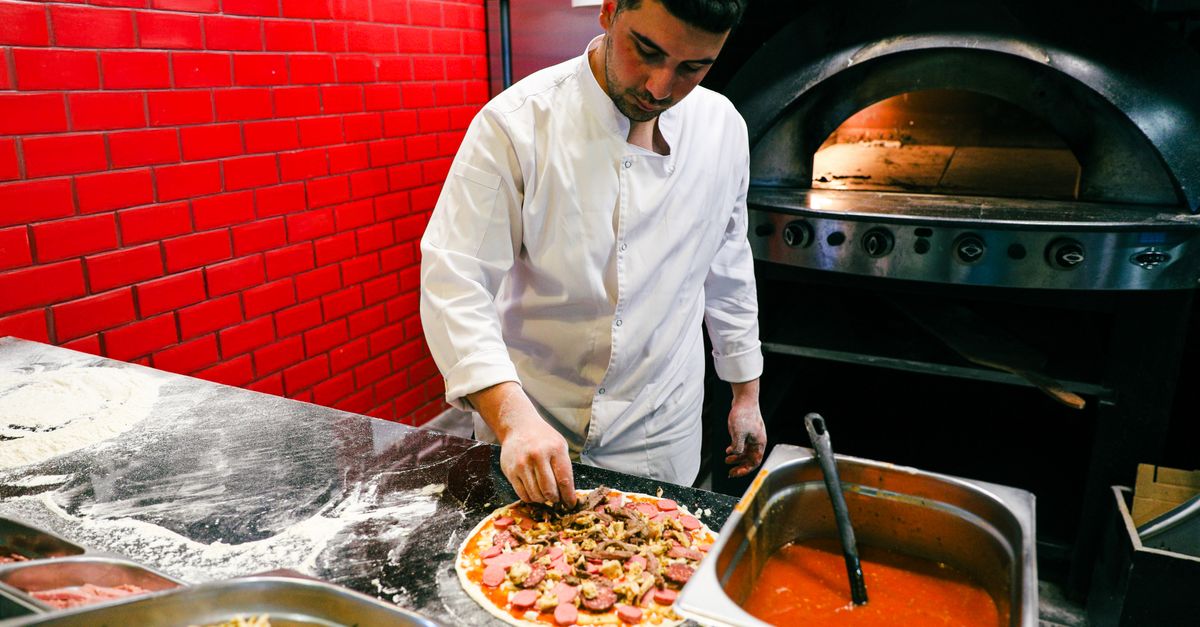
Why Your Homemade Pizza Lacks That Perfect Crisp (And The Pro Secrets That Deliver Pizzeria-Quality Crunch Every Time)
Unlock the secrets to truly crispy homemade pizza crust. Stop soggy bottoms and learn what works for pizzeria-quality crunch.
Why Your Homemade Soup Is Bland (And The Flavor Secrets That Changed Everything For Me)
Discover the overlooked reasons your homemade soup lacks flavor and the simple, impactful techniques that transform it into a culinary masterpiece.
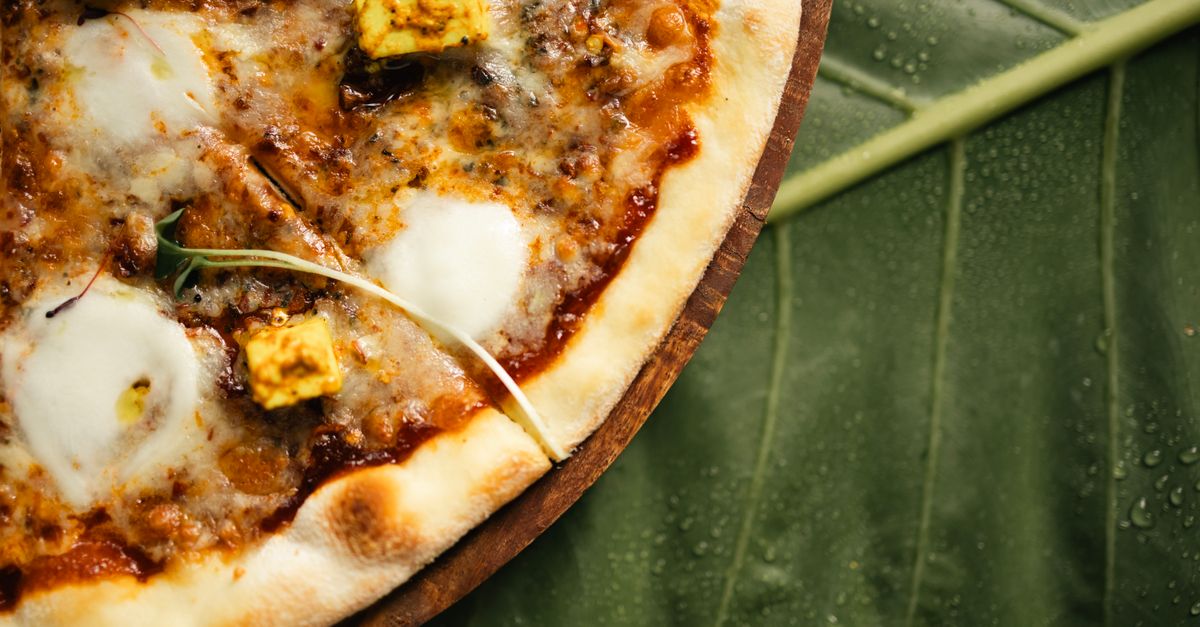
Why Your Homemade Pizza Isn't Crispy (And The Pro Secrets That Deliver Pizzeria-Quality Crunch Every Time)
Stop soggy pizza! Discover why homemade crusts lack crispness and learn the pro secrets for pizzeria-quality crunch every time.