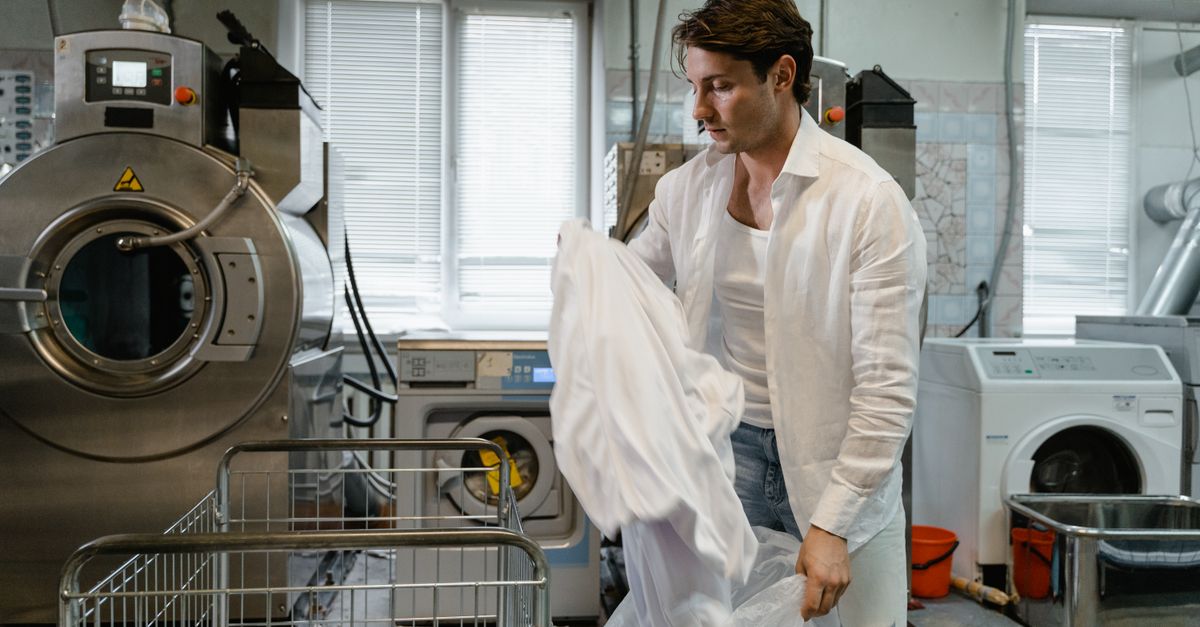
Why Your Homemade Laundry Detergent Fails (And What Actually Works for Truly Clean Clothes)
When I first ventured into the world of DIY, homemade laundry detergent felt like a no-brainer. Save money, reduce chemicals, be eco-friendly – what’s not to love? I bought the borax, the washing soda, the Fels-Naptha bar, and mixed up my first batch with enthusiasm. For a few weeks, things seemed okay. Then, gradually, I noticed a change. My whites weren’t quite white, my colors looked dull, and a faint, unpleasant smell started clinging to some items, especially towels. Instead of feeling fresh, my laundry felt… coated. What I thought was a savvy move turned into a frustrating cycle of re-washing, adding vinegar, and ultimately, despair. I realized the ‘simple’ recipes I found online were missing crucial elements, leading to more harm than good for my clothes and washing machine.
Turns out, homemade laundry detergent, as commonly formulated, often fails most people. It’s not a moral failing or a lack of effort; it’s a fundamental misunderstanding of laundry chemistry. Real detergents are complex, relying on specific surfactants and enzymes to lift dirt. Most DIY recipes simply don’t have these, or they combine ingredients that actively work against each other. After much research and experimentation, I learned what actually works – and it’s not as complicated as commercial formulations, but far more effective than the common DIY mistakes.
Key Takeaways
- Common homemade laundry detergents often fail because they lack true cleaning surfactants and can leave residue.
- The combination of bar soap, borax, and washing soda creates insoluble soap scum that dulls clothes and can damage machines.
- Effective DIY cleaning requires understanding basic chemistry: surfactants to lift dirt, and chelators to manage hard water.
- For truly clean laundry without harsh chemicals, consider simple, effective alternatives like liquid castile soap and oxygen bleach.
The Soap Scum Trap: Why Bar Soap is the Enemy
This was my biggest revelation, and the core reason most homemade detergents fail: bar soap (like Fels-Naptha or Zote) is not laundry detergent. It’s soap, which is fundamentally different. Detergents are synthetic surfactants designed to work well in various water conditions. Soap, on the other hand, is made from fats and lye. While great for skin, when agitated in water, especially hard water, soap reacts with minerals (like calcium and magnesium) to form insoluble soap scum.
Think about the ring around your bathtub – that’s soap scum. Now imagine that clinging to every fiber of your clothes, and building up inside your washing machine. In my experience, this is precisely what happened. My towels, in particular, developed a stiff, slightly greasy feel and that lingering odor. The soap scum trapped dirt, made fabrics less absorbent, and acted as a breeding ground for bacteria, leading to that tell-tale ‘stale’ smell. Over time, it can even cause dinginess and discoloration, especially on whites, and potentially clog your washing machine’s internal components.
The widespread advice to grate a bar of soap into your homemade mix is the single most detrimental step. It creates a film that masks cleanliness, rather than achieving it. Breaking free from this one ingredient changed everything for my homemade laundry success.
The Illusion of ‘Clean’: Borax and Washing Soda Alone Aren’t Enough
Many DIY recipes rely heavily on borax and washing soda (sodium carbonate). While both have their place in laundry, they are often misunderstood as primary cleaning agents. In my early attempts, I believed these were the ‘magic’ ingredients. They certainly felt powerful when mixing, and the water often looked cloudy, giving the illusion of cleaning.
Here’s the reality: Washing soda (sodium carbonate) is a water softener and a powerful alkalinity booster. It helps to raise the pH of the wash water, which can aid in the removal of some stains and enhance the performance of other cleaning agents. It’s excellent for pretreatment or as an additive, but it doesn’t contain the surfactants needed to lift and suspend dirt from fabric fibers.
Borax (sodium borate) is also an alkalinity booster, a stain remover, and a deodorizer. It has mild antiseptic properties and can help whiten. Like washing soda, it conditions the water and assists other cleaners, but it’s not a primary detergent. When I relied solely on these, combined with soap, my clothes weren’t getting truly clean. The borax and washing soda might have made the water more conducive to cleaning, but without a proper surfactant, the dirt wasn’t effectively removed – it was just moved around or redeposited, often by the clinging soap scum.
My mistake was treating these as detergent replacements, rather than enhancers. Used correctly, they can be valuable, but they need a true cleaning partner.
Hard Water: The Unseen Saboteur of DIY Success
Living in an area with moderately hard water, I initially underestimated its impact. Hard water contains high levels of dissolved minerals, primarily calcium and magnesium. These minerals don’t just react with bar soap to form scum; they also reduce the effectiveness of detergents by binding to the cleaning agents, making them less available to tackle dirt.
For most commercial detergents, formulators include chelating agents (or sequestrants) specifically to bind with these minerals, preventing them from interfering with the cleaning process. Most DIY recipes completely omit this crucial component. So, even if you’re using a better DIY approach (without bar soap), if your water is hard, those minerals are still working against you, preventing true cleanliness.
What changed for me was actively addressing the hard water issue. I realized that adding washing soda helps, but for truly challenging water, sometimes a dedicated chelator is needed, or at least a powerful enough surfactant to overcome the mineral interference. Without acknowledging your water’s hardness, any homemade detergent effort is fighting an uphill battle, often leaving behind mineral deposits that contribute to stiff, dull, and smelly laundry.
What Actually Works: Embracing Simplicity and Chemistry
After much trial and error, I found that the secret to effective homemade laundry without the pitfalls lies in embracing simplicity and understanding basic chemistry. It’s about using ingredients that actually clean and manage water conditions, rather than just creating a sudsy illusion.
Liquid Castile Soap as Your Surfactant: This was a game-changer. Unlike bar soap, liquid castile soap is designed to be diluted and works as a true cleaning agent. It’s a vegetable-oil-based soap, but in its liquid form, it’s less prone to forming insoluble scum, especially when used in smaller quantities and combined with water softeners. For a standard load, 1/4 to 1/2 cup of unscented liquid castile soap is usually sufficient. It provides the necessary suds and cleaning power to lift dirt.
Washing Soda (Sodium Carbonate) for Water Softening and Boosting: Instead of mixing it all together, I now use washing soda as an additive. For each load, I add 1/2 cup of washing soda directly to the drum before adding clothes or the castile soap. This pre-softens the water, allowing the castile soap to work more effectively without fighting hard water minerals. This separation ensures each ingredient performs its best function.
Oxygen Bleach (Sodium Percarbonate) for Brightening and Deodorizing: This is my secret weapon for whites and lingering odors. Oxygen bleach is a powerful, non-chlorine whitener and deodorizer. It breaks down into hydrogen peroxide and washing soda in water, effectively bubbling away stains and neutralizing smells. For dingy whites or smelly towels, I add 1/2 cup to the drum along with the washing soda, before adding clothes and castile soap. It brightens without the harshness or potential fabric damage of chlorine bleach.
White Vinegar for Fabric Softening and Rinse Aid: Instead of commercial fabric softener (which can leave residue and reduce towel absorbency), I add 1/2 cup of white vinegar to the fabric softener dispenser. It helps rinse away any residual soap, softens fabrics naturally, and acts as a mild deodorizer, especially useful for that faint, musty smell that can develop in washing machines.
My new routine is simple: add washing soda (and oxygen bleach if needed) to the drum, then clothes, then liquid castile soap to the dispenser, and vinegar to its dispenser. This layered approach ensures each ingredient has the best chance to do its job, resulting in genuinely clean, fresh, and soft laundry without the mystery coating or lingering odors I used to battle. It’s not a single ‘detergent’ mix, but a system that actually works.
The Overlooked Importance of Machine Maintenance
When your homemade laundry detergent isn’t working, it’s easy to blame the formula. However, one critical factor I overlooked was the impact of my previous, soap-based DIY attempts on my washing machine itself. That insidious soap scum wasn’t just on my clothes; it was building up in the drum, hoses, and detergent dispenser.
This residue accumulation can lead to several problems: it harbors bacteria, contributes to that musty ‘washer odor,’ and can even impede the machine’s performance. No matter how good your new detergent system is, if it’s washing in a machine lined with old gunk, your clothes won’t get truly clean.
What changed for me was regular, aggressive washing machine cleaning. Every month, I run an empty hot cycle with a cup of washing soda and a cup of oxygen bleach, followed by another empty hot cycle with two cups of white vinegar. I also make sure to wipe down the dispenser drawer and rubber gasket regularly. This maintenance schedule ensures my machine is clean and clear, allowing my effective homemade laundry system to perform at its best. It’s a crucial step that many overlook, assuming the machine cleans itself – it doesn’t, especially when using DIY products.
Conclusion: Reclaiming Your Clean Laundry
The journey from enthusiastic DIYer to frustrated re-washer, and finally to confident homemade laundry advocate, taught me a valuable lesson: shortcuts often lead to longer, more complicated paths. While the idea of a simple, all-in-one homemade laundry detergent is appealing, the reality is that cleaning clothes effectively requires a bit more nuance than grating a bar of soap. By understanding the chemistry, ditching the problematic ingredients, and embracing a layered approach with effective, targeted components like liquid castile soap, washing soda, oxygen bleach, and vinegar, I finally achieved truly clean, fresh, and residue-free laundry. It’s not just about saving money; it’s about having clothes that feel and smell genuinely clean, without mystery coatings or hidden buildup. Give this approach a try, and I believe you’ll finally experience the clean laundry you’ve been chasing.
Frequently Asked Questions
Q: Why do so many homemade laundry detergent recipes include bar soap if it causes problems?
A: Many recipes include bar soap due to tradition and the visual illusion of suds. Historically, people used grated laundry soap before synthetic detergents became common. However, these soaps react poorly with hard water minerals, leading to insoluble soap scum, residue, and dinginess, which modern detergents are specifically formulated to avoid.
Q: Can I still use borax and washing soda in my laundry?
A: Absolutely, but ideally as additives rather than primary cleaning agents. Washing soda helps soften water and boosts alkalinity, enhancing cleaning performance. Borax can also whiten and deodorize. Add them directly to the wash drum before clothes and your liquid castile soap, especially if you have hard water, to allow them to condition the water effectively.
Q: What’s the biggest difference between soap and detergent, and why does it matter for laundry?
A: Soap is made from natural fats and lye, which react with minerals in hard water to form insoluble soap scum. Detergents are synthetic surfactants designed to encapsulate dirt and oil and keep it suspended in the wash water, preventing redeposition and scum formation, even in hard water. For clean laundry, you need a true detergent or a well-managed soap system to avoid residue.
Q: My towels feel stiff and smell musty even after washing. Is homemade detergent the culprit?
A: Yes, this is a classic sign of soap scum and detergent residue buildup. The insoluble soap scum, often from bar soap in homemade recipes, traps dirt, bacteria, and minerals within the towel fibers. This reduces absorbency, makes them stiff, and creates that musty smell. Switching to an effective liquid castile soap and washing soda system, along with regular machine cleaning and vinegar in the rinse cycle, can resolve this.
Q: How often should I clean my washing machine when using homemade laundry solutions?
A: If you’ve been using bar soap-based homemade detergents, I recommend an intensive cleaning regimen initially (e.g., two empty hot cycles with washing soda/oxygen bleach then vinegar). Afterward, a monthly deep clean with washing soda, oxygen bleach, and vinegar is essential to prevent residue and maintain optimal performance. Regular wiping of the gasket and dispenser also helps.
Written by Emily Chen
Well-being & Relationships
A community advocate who understands the nuances of balancing personal goals with social connections and responsibilities.
You Might Also Like

Why Your Homemade Pizza Lacks That Perfect Crisp (And The Pro Secrets That Deliver Pizzeria-Quality Crunch Every Time)
Unlock the secrets to truly crispy homemade pizza crust. Stop soggy bottoms and learn what works for pizzeria-quality crunch.

Why Your Homemade Soup Is Bland (And The Flavor Secrets That Changed Everything For Me)
Discover the overlooked reasons your homemade soup lacks flavor and the simple, impactful techniques that transform it into a culinary masterpiece.

Why Your Homemade Pizza Isn't Crispy (And The Pro Secrets That Deliver Pizzeria-Quality Crunch Every Time)
Stop soggy pizza! Discover why homemade crusts lack crispness and learn the pro secrets for pizzeria-quality crunch every time.